
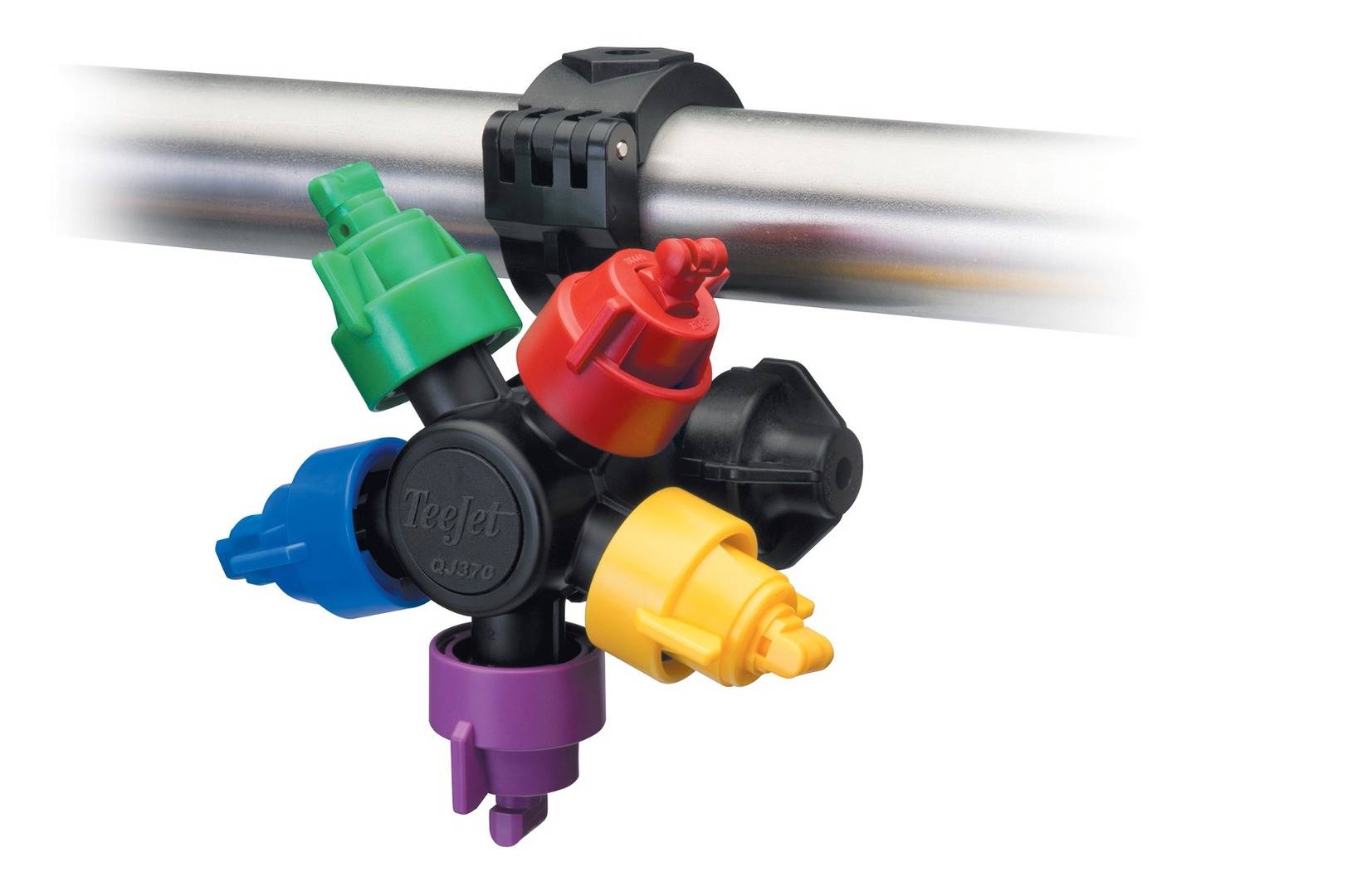
Sprayers are a big part of protecting crops and keeping your application consistent. One question that comes up all the time, especially when you’re comparing boom kits or swapping parts, is: what’s the real difference between a wet boom and a dry boom?
It’s actually pretty simple. The difference comes down to where the spray liquid flows.
What is a Wet Boom?
A wet boom uses the boom pipe itself as the plumbing.
- The nozzle bodies mount directly to the boom pipe
- Spray solution flows inside the boom pipe
- The boom pipe feeds each nozzle body as it goes
- Since the boom is basically acting like the “manifold,” you usually end up with fewer hoses and fittings
Why people like wet booms
- Fewer connections usually means fewer leak points
- Cleaner layout with less stuff to manage
- Often a solid choice if you want durability and simplicity
Things to keep in mind
- If the boom pipe gets damaged or corrodes internally, it can mess with flow
- Making changes (rerouting, adding specialized plumbing, etc.) can be less convenient than a hose-based setup
What is a Dry Boom?
A dry boom keeps the boom structure mostly “dry,” meaning the boom itself is not the main liquid path.
- Nozzle bodies are still mounted on the boom
- Spray solution flows through hoses running along the boom
- Those hoses feed each nozzle body
- You’ll typically see more fittings, clamps, and hose runs than with a wet boom
Why people like dry booms
- More flexible if you like custom layouts or expect changes
- Hoses and fittings are usually easy to get to when something needs fixed
- Great option if you want modular sections, quick swaps, or a more specialized nozzle setup
Things to keep in mind
- More hoses and fittings can mean more potential leak points
- Hose routing and protection matters (snagging, rubbing, UV exposure)
- More components can mean more install time and a little more troubleshooting
Wet Boom vs. Dry Boom: How to Choose
Both styles can spray really well if they’re designed right and maintained. Most of the time, the “best” choice depends on how you use the sprayer and how much you want to customize things.
Choose a wet boom if you want:
- A simple, clean system with fewer components
- Fewer leak points and less hose management
- A setup you install and run without much reconfiguration
Choose a dry boom if you want:
- Flexibility to change nozzle locations, sections, or plumbing
- Easier access to swap a hose or fitting quickly in the field
- A more modular setup for changing application needs
Practical considerations that matter in the real world
- Maintenance style: If you like fewer parts overall, wet boom is appealing. If you like easily replaceable lines, dry boom can feel more straightforward.
- Durability and wear: Dry booms depend a lot on good hose routing and protection. Wet booms depend on the condition of the boom pipe itself.
- Cost over time: Wet booms can mean fewer replaceable components. Dry booms may rack up more “small part” replacements (hoses, clamps, fittings), but repairs are often simple and targeted.
- Future upgrades: Dry booms are usually easier to expand, reroute, or fine-tune as your needs change.
Conclusion
A wet boom uses the boom pipe as the liquid path, which keeps things simple with fewer connections. A dry boom uses hoses to deliver liquid to each nozzle, which can make it easier to customize and service individual lines. The right pick comes down to what you value more: simplicity and fewer leak points (wet boom) or flexibility and modular serviceability (dry boom).